
Restoration of caned furniture
Restoring a caned piece of furniture means bringing back its function, beauty, and place in time.
Wear, breakage, or sagging in old caning reflects the piece’s history. Through entirely hand-crafted work, it is possible to give it a second life while respecting its original style.
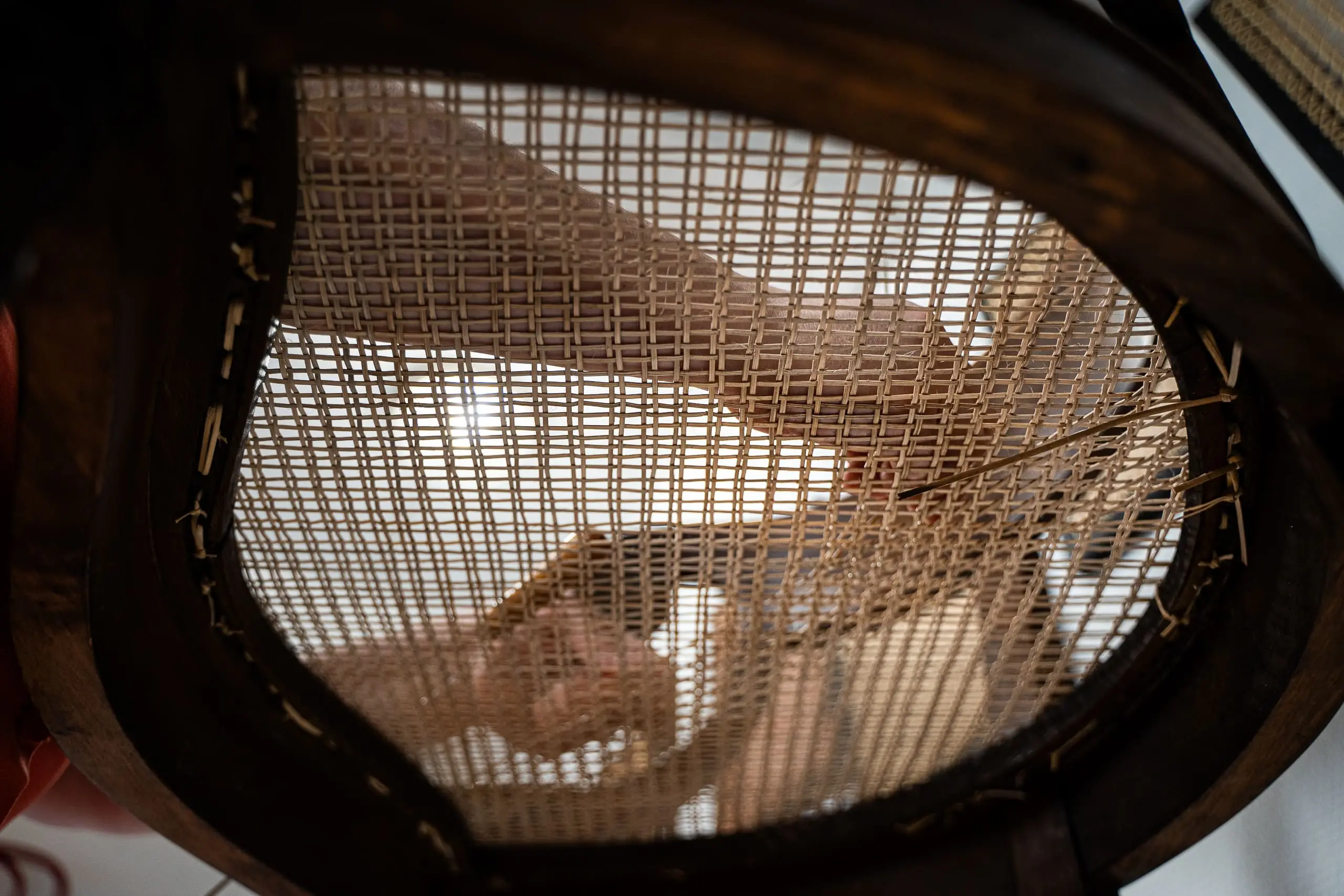
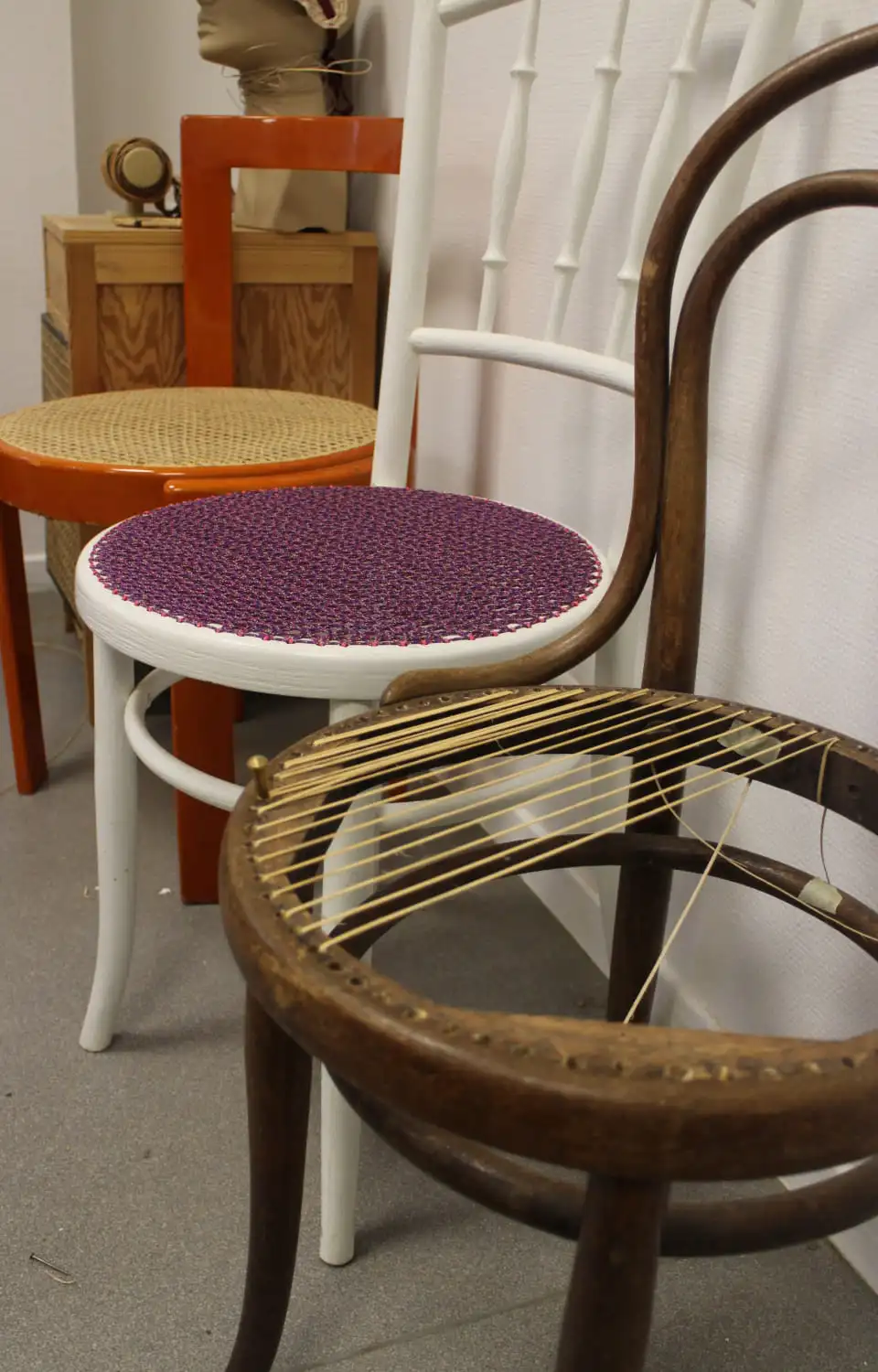
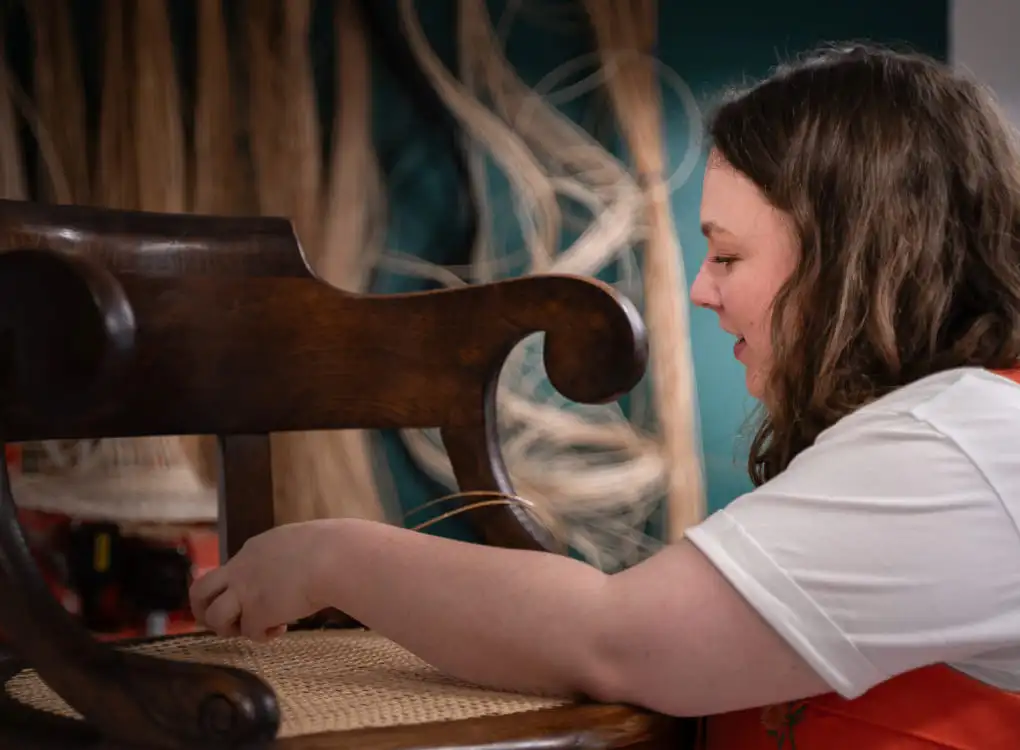
Restoration requires precise expertise: disassembly, cleaning, fiber selection, traditional weaving… each gesture aims to preserve the authenticity of the furniture and ensure its strength for years to come. Whether it’s a family heirloom, a thrifted piece, or a signed design piece, every intervention is designed to last with care and discretion.
Did You Know?
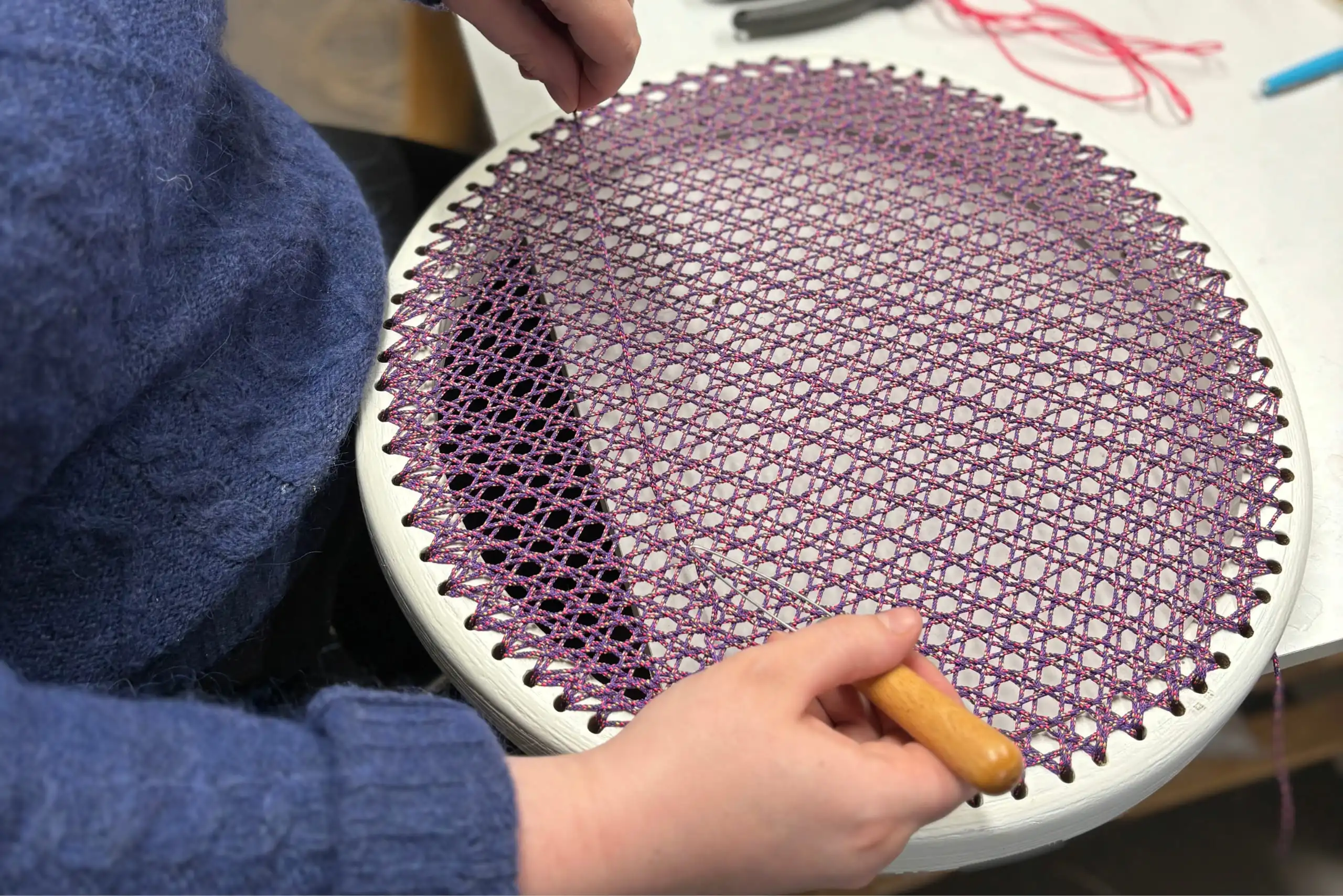
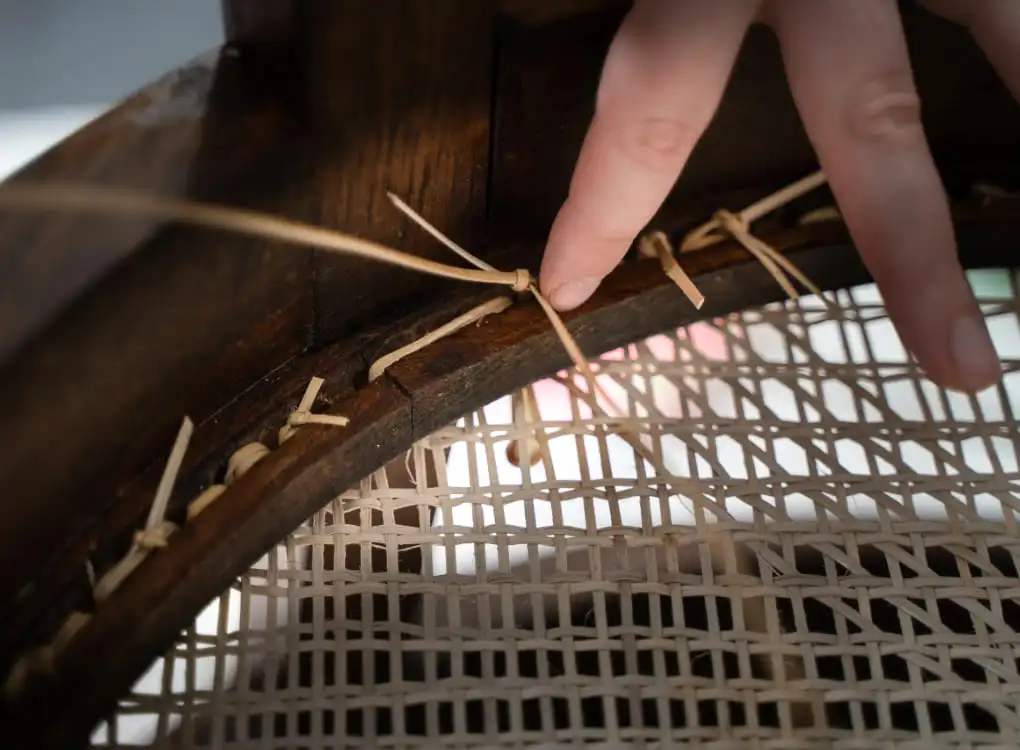
A hand-woven seat or back requires a minimum of 8 hours of weaving: warp, weft, bias, and border form the pattern over long hours of meticulous work.
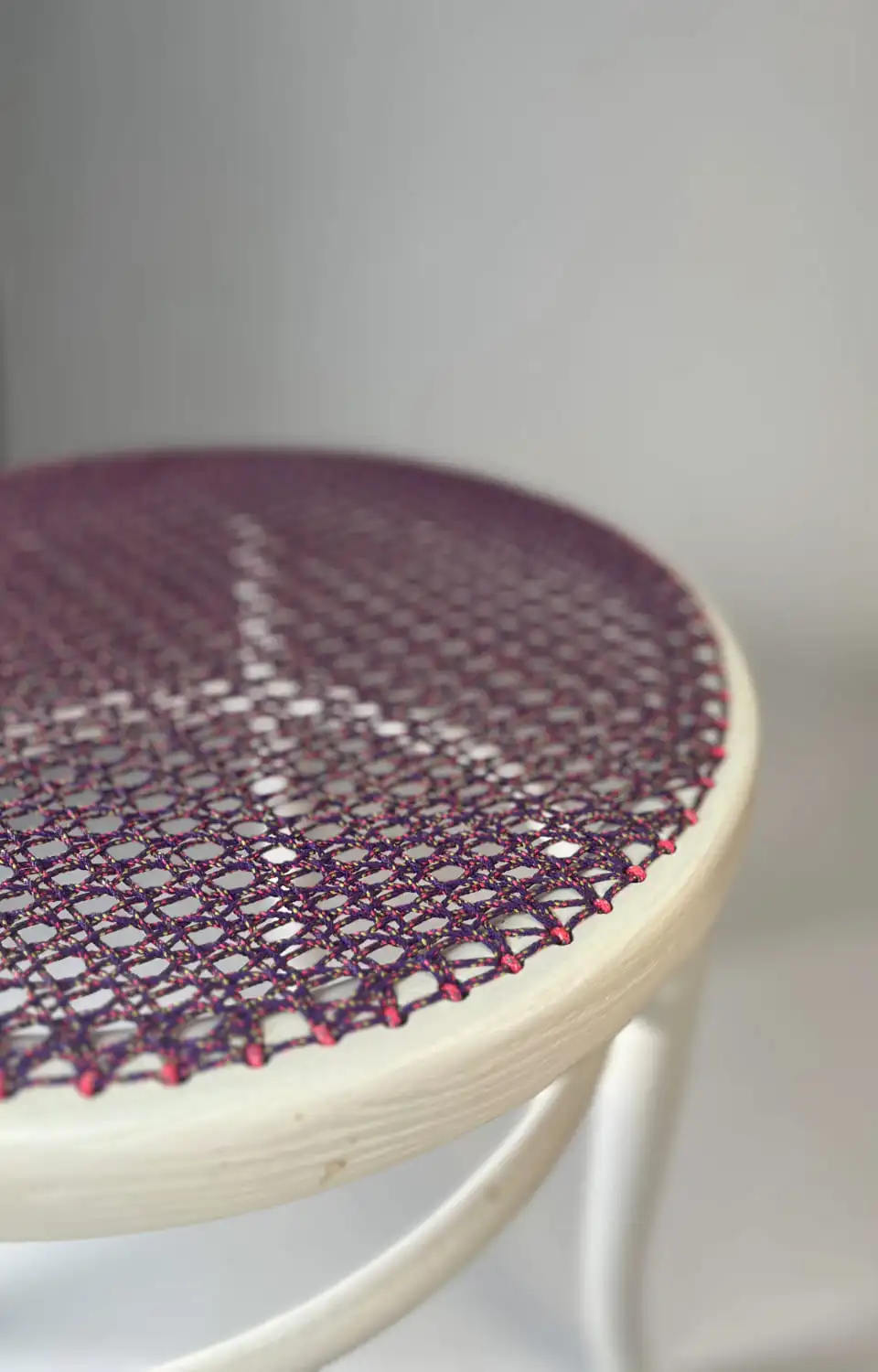
Hand weaving allows creative freedom — you can choose to redo your chair with colored cord instead of cane, modernizing the furniture while preserving comfort and longevity.
How to Care for Caning ?
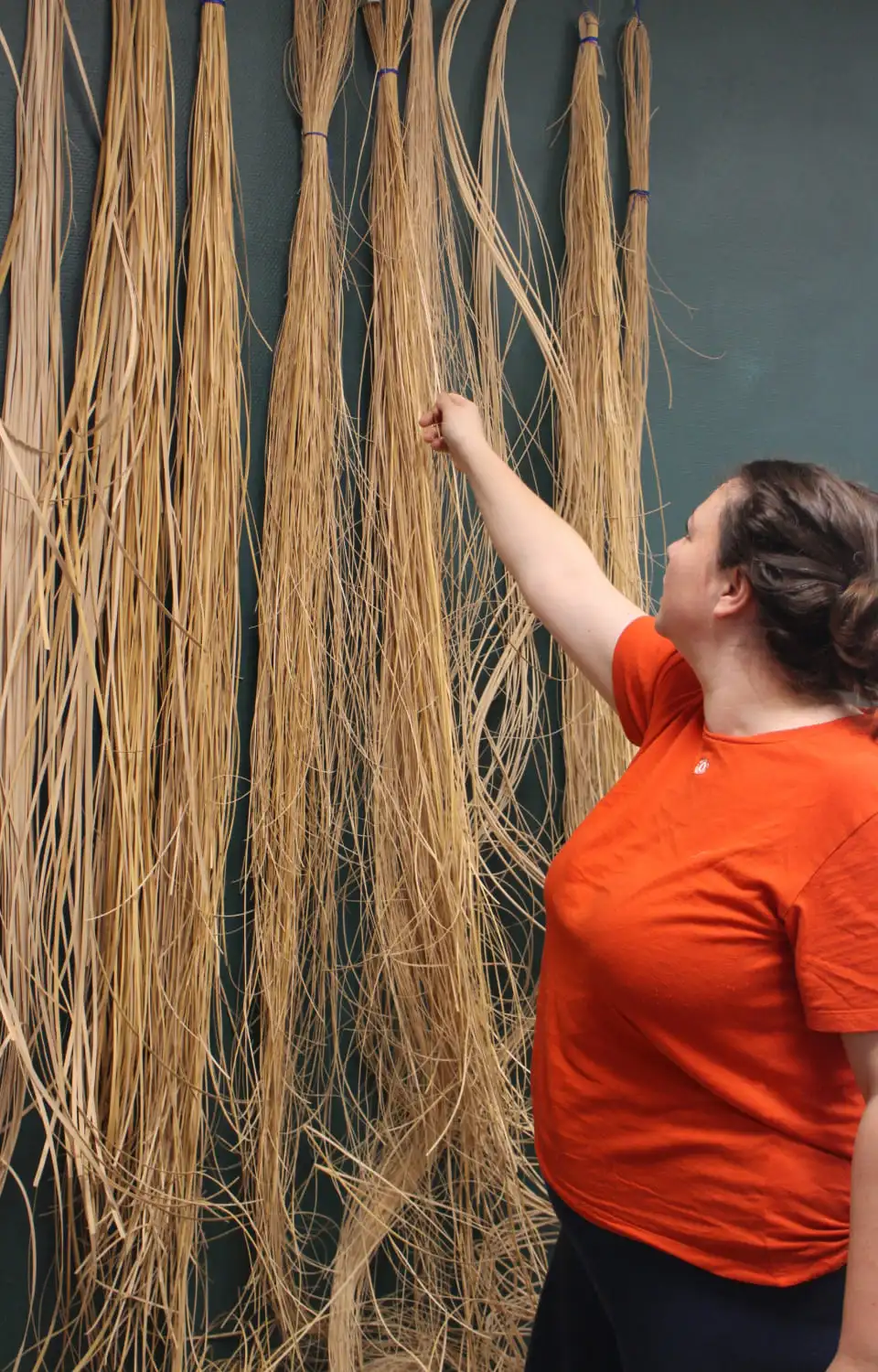
Cane is the bark of a tropical rattan palm, naturally strong yet responsive to moisture.
To keep your furniture supple and durable, lightly moisten it occasionally, especially during dry seasons — using only a soft cloth.
Do not remove the natural varnish from the plant fiber, and be careful with the surrounding wood structure.
" A chair restored according to traditional craftsmanship is built to last for many years."
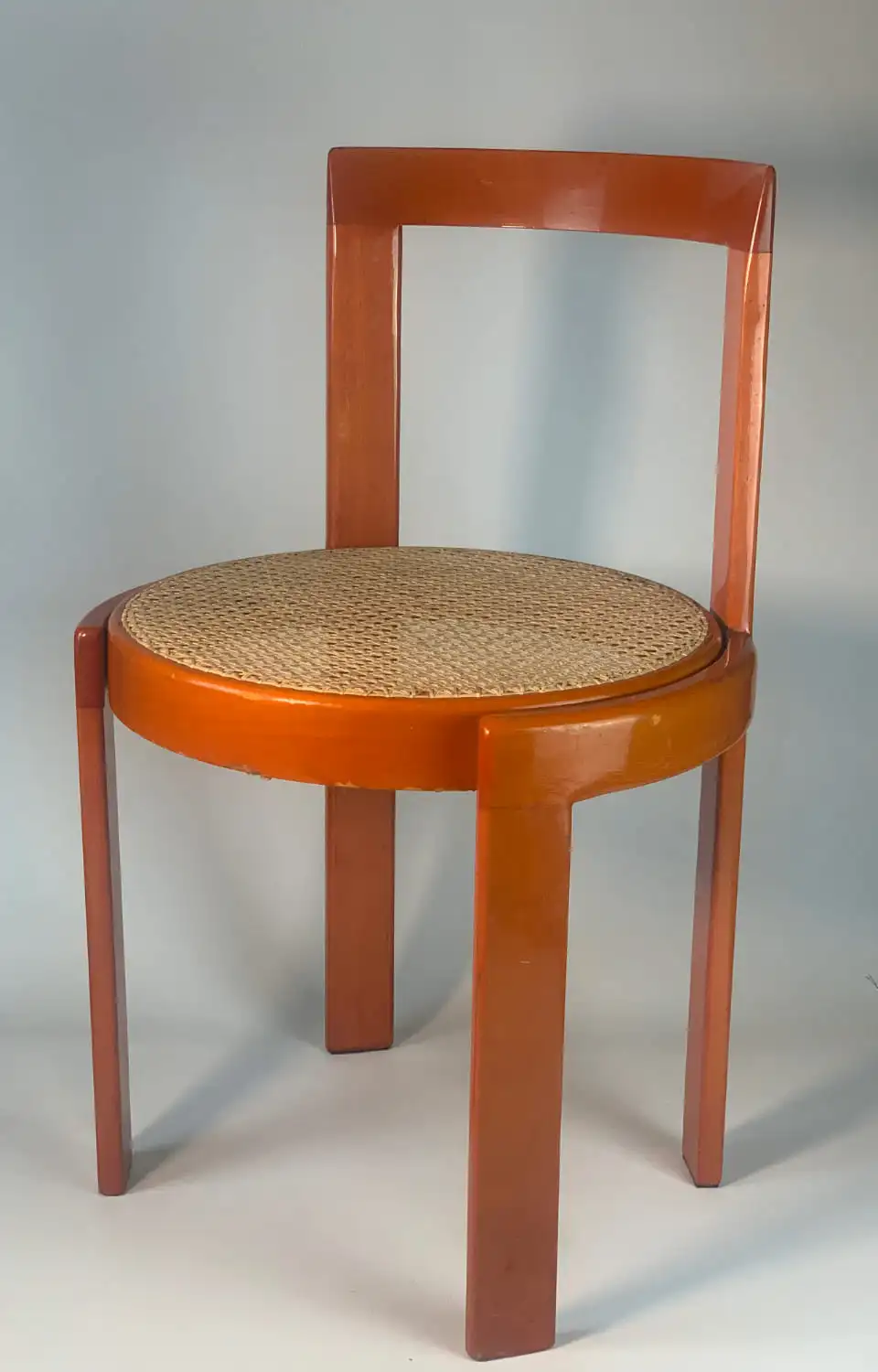
Need to restore damaged caning?
Leave a message describing your request. Please include a photo of the entire piece of furniture, as well as a close-up of the caned section.